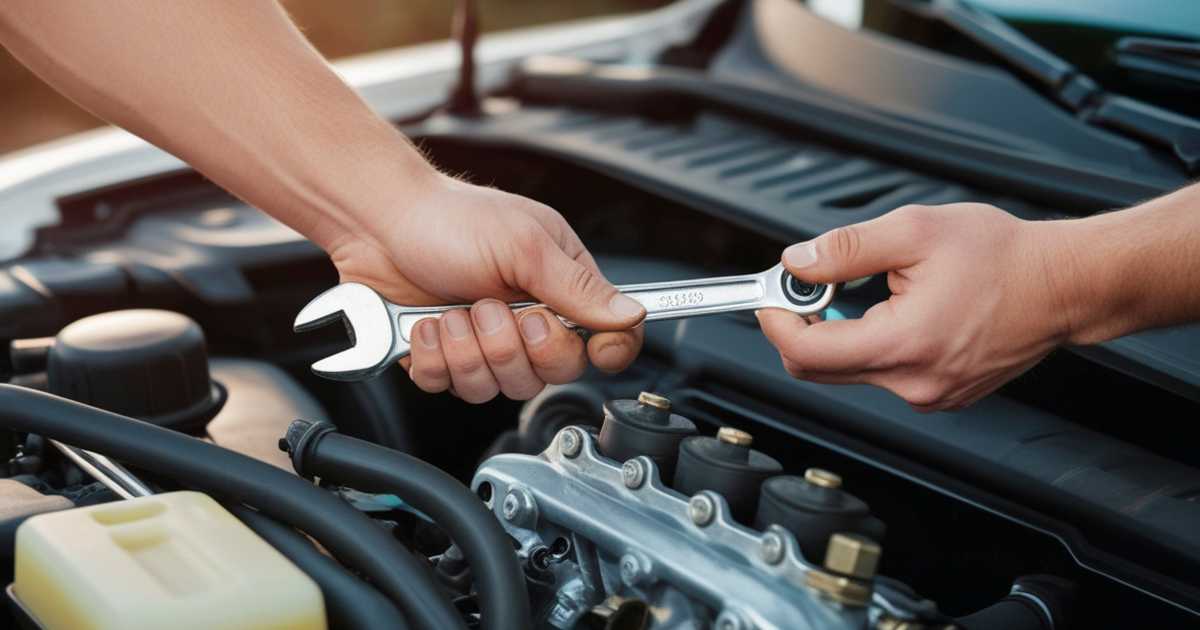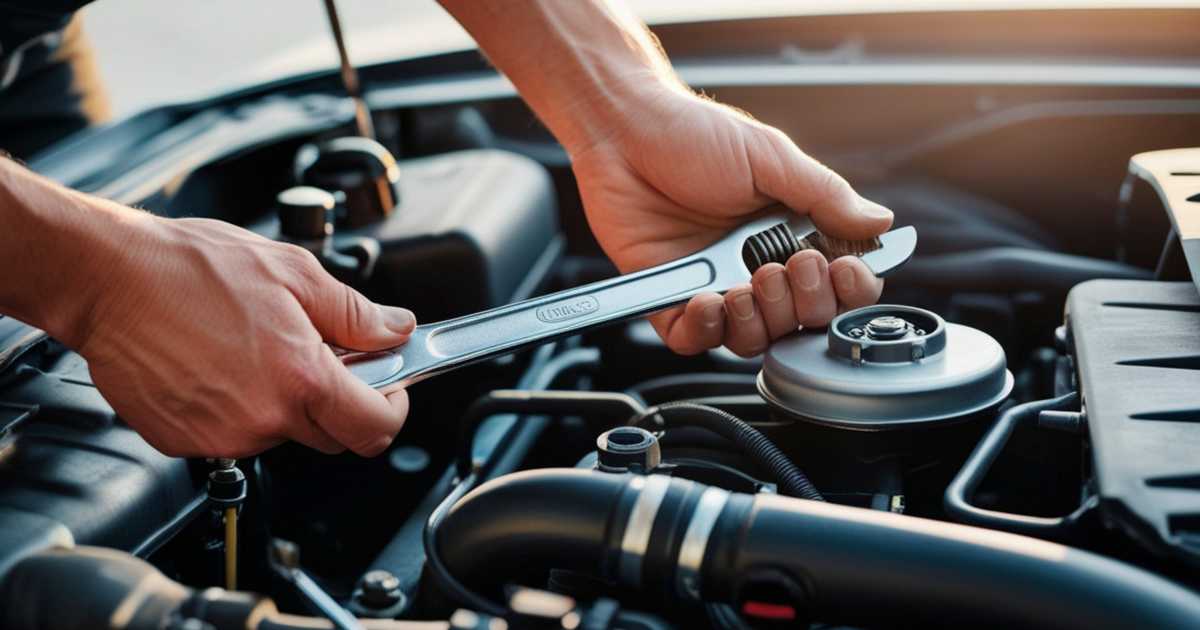

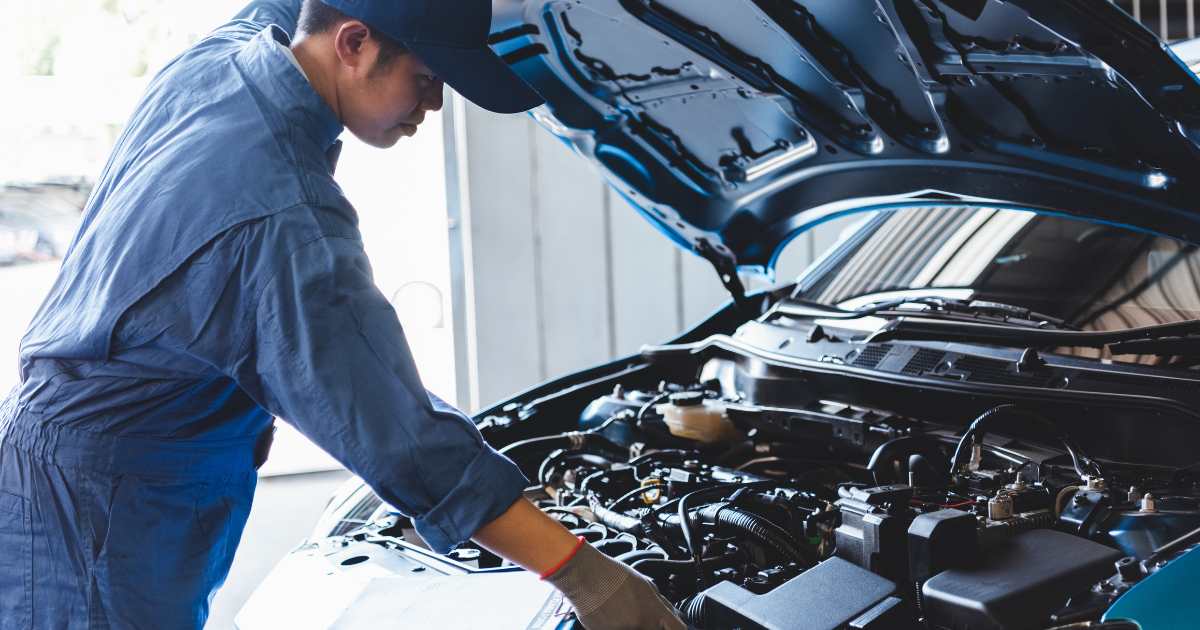
You probably picture a mechanic’s hands deep inside a greasy engine bay, tools all over the place, and the smell of motor oil in the air when you think of car engine repair. But safety is something that often gets lost in the noise of metal banging and diagnostics humming. In Ajman, where auto shops range from small roadside garages to high-tech service centers, following strict safety rules when fixing car engines isn’t just about following the law; it’s also about saving lives, avoiding expensive damage, and making sure that both cars and mechanics last a long time.
So, what does it really mean to fix an engine safely? And how do the best auto service centers in Ajman keep things running smoothly without putting safety at risk? Let’s find out.
Knowing the Risks of Fixing an Engine
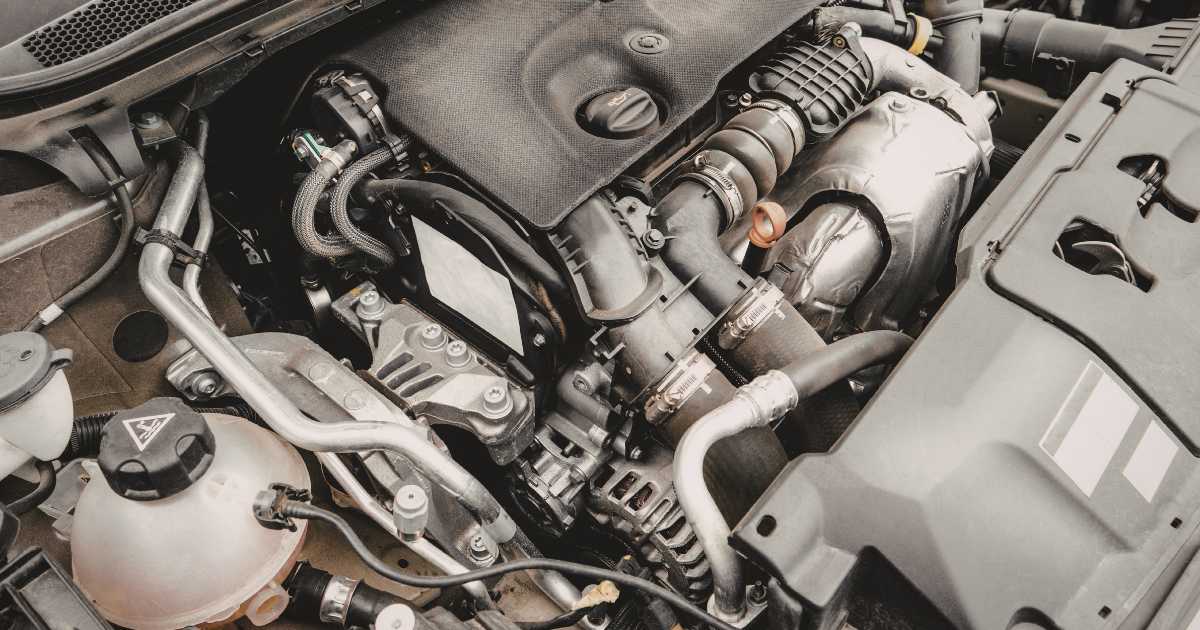
An engine is like a controlled explosion that makes your car go. Of course, fixing or rebuilding one means working with heavy machinery, electrical systems, flammable fuels, and high-pressure parts. If you’re not careful, you could get burned, shocked by electricity, or hurt by a machine.
Ajman’s humid weather makes things even more complicated. Cooling systems, fuel lines, and electrical parts can be affected by too much heat and moisture, which makes safety measures even more important. So, before any engine repair work can start, technicians must do a thorough check to make sure the work area is clean, well-lit, and free of anything that could catch fire.
Why It’s Important to Get the Right Training and Certification
In Ajman, well-known garages like DASCenter and similar service providers put certified technicians who know how engines work and how to keep the workshop safe at the top of their list. Training makes sure that mechanics not only know how to fix a problem, but also how to keep it from getting worse.
Professionals who have been certified follow strict diagnostic steps. For example, they disconnect batteries before working on the electrical system, depressurize the fuel lines, and always wear protective gear. These aren’t just “good practices”; they’re what makes car engine repair in Ajman safe.
Personal Protective Equipment (PPE): The First Line of Defense
In any professional workshop, the first step to safety is to wear Personal Protective Equipment (PPE). To avoid getting hurt by oil spills, debris, and hot surfaces, mechanics wear coveralls, safety goggles, and gloves that can withstand heat. It’s also important to wear the right shoes, since heavy tools or parts could fall at any time.
Even though these steps may seem simple, they cut down on accidents at work by a lot. In Ajman’s busy automotive scene, where garages often work on more than one car at a time, PPE makes sure that safety isn’t put at risk even in high-pressure situations.
Safe Handling of Fluids and Chemicals
When fixing a car engine, you have to deal with a lot of toxic and flammable substances, like engine oil, coolant, and brake fluid. If you don’t handle these things correctly, they could catch fire or cause burns or breathing problems.
In Ajman, professional workshops follow strict rules for storing and getting rid of chemicals. For example, they keep flammable materials in separate, well-ventilated areas and make sure that all fluids are clearly labeled. Mechanics are also taught to clean up spills right away and get rid of trash in a way that follows environmental rules. This shows that they are responsible beyond just following the rules
Electrical Safety and Battery Precautions
Electrical systems, like sensors and ignition modules, are very important to modern engines. Even a small voltage leak can be very dangerous during repairs. That’s why trained technicians always take the battery out before they start any repairs and use insulated tools to keep short circuits from happening.
Ajman’s car engine repair shops often use diagnostic tools that keep them from coming into direct contact with live wires. This makes testing and troubleshooting safer. It’s a fine line between being careful and being precise, and you can only learn this through experience and following safety rules.
Engine Lifting and Heavy Equipment Safety
Engines are very heavy; they can weigh hundreds of kilograms. You need the right lifting tools, like hoists and cranes, to take them off or put them back on. Accidents can happen when lifting is unstable or anchoring is done wrong.
In Ajman’s professional repair shops, mechanics make sure that hoists are checked, loaded, and operated by trained workers on a regular basis. The area around and under the lifted engine is kept clear to keep people from getting hurt by accident. Safety is not an option here; it is a requirement.
Fire Safety and Emergency Preparedness
Fire safety is very important when there are flammable fuels and electrical systems close to each other. Every responsible workshop in Ajman has fire extinguishers, emergency exits, and first-aid kits that are easy to get to. Mechanics learn how to stay calm and work quickly in emergencies so that damage is kept to a minimum and the situation is brought under control quickly.
Workshops that follow international safety standards also do drills from time to time to get their teams ready for possible dangers. This proactive approach shows that there is a strong safety culture at work, one that puts people before productivity.
Clean and Organized Workspaces
A messy workshop is a place where accidents happen. You could get hurt badly if you trip over wires, lose tools, or spill oil. That’s why the best car engine repair shops in Ajman stress the importance of cleanliness and order.
Tools are kept in an organized way, fluids are marked, and walkways are kept clear. It’s not just about how things look; it’s also about making sure that every mechanic knows where everything is and how to move around the shop safely.
Conclusion
After putting the engine back together, a final safety check makes sure that all the parts, bolts, and connections are secure. The vehicle is then put through tests in a controlled setting to make sure it works and is reliable.
This step may seem like a normal part of the process, but it’s the difference between a successful repair and a possible breakdown, or even worse, an accident on the side of the road. Mechanics not only keep themselves safe by taking these extra steps, but they also make sure that the customer leaves in a car that is safe, stable, and ready to drive.
To finish up
One thing that all great car engine repairs in Ajman have in common is that safety is not something you do once; it’s a way of thinking. It’s part of how technicians think, act, and do their jobs. Putting on gloves before lifting a wrench and checking an engine mount twice before starting it both show respect for the machine and the people around it.
Fixing an engine isn’t just about getting more horsepower; it’s also about making sure that every ride on Ajman’s roads starts and ends safely.